Phishing Emails Are Getting Smarter: How Your Team Can Spot Them
A bookkeeper at a Brantford trades company received an email from her manager asking her to buy four gift cards for a client and send the codes right away. The tone fit. The name was correct. She nearly went through with it. What stopped her was a small sense that something was off, and that hesitation saved the company eight hundred dollars. These schemes are becoming harder to detect, and not everyone pauses the way she did.
Why phishing works so well now
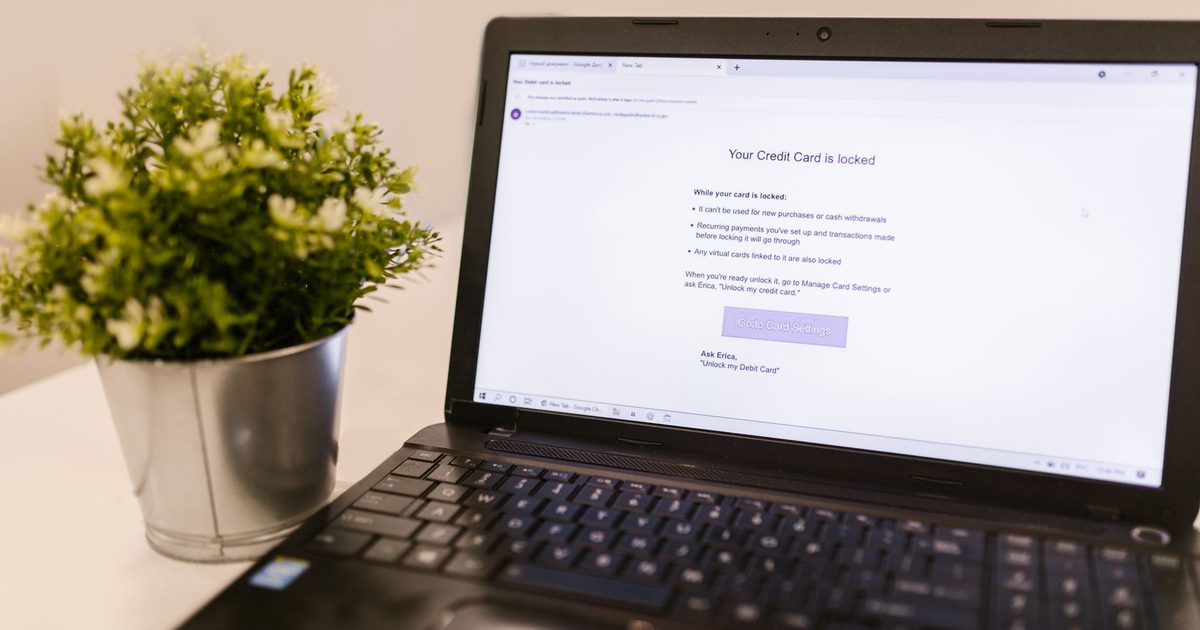
Phishing is the practice of impersonating someone you trust in order to trick you into clicking a link, surrendering a password, or sending money. It was once easy to spot, betrayed by poor grammar, distorted logos, and obvious lies. That is no longer the case. Attackers now reproduce real company logos precisely and write clean, polished messages. Some research a business first, so the email names an actual manager or a genuine client.
The more sophisticated attempts manufacture pressure. “Pay this invoice today.” “Your account will be closed within the hour.” A rushed reader stops verifying, which is exactly the intent. Because email is effectively the front door to your business, it remains the preferred target, and a single careless click can surrender a password or admit software that locks up your files.
The signs your team should watch for
Slowing down causes many forgeries to fall apart. These are the warning signs worth teaching everyone.
- The sender address is subtly wrong. The display name reads like your bank, but the underlying address is unrelated. Inspect it before extending any trust.
- It pressures you to act immediately. Legitimate businesses rarely demand payment within minutes. Manufactured urgency is a classic tactic.
- The link does not match. Hover over a link without clicking; if the destination that appears does not correspond to the company, do not proceed.
- It requests passwords or payment by an unusual method. Gift cards, wire transfers, and “confirm your password here” prompts are significant red flags.
- Something simply feels wrong. Trust that instinct. A quick phone call to confirm costs far less than a mistake.
That is the only list you need to memorize. The habit behind it matters more than any single rule: when in doubt, verify before you act.
Building a team that doesn’t fall for it
One vigilant person is not enough, because every employee with a mailbox represents a possible entry point, so the whole team needs to recognize the signs. Make it safe to ask questions; staff should feel comfortable forwarding a suspicious message and asking whether it is genuine. The worst outcome is someone clicking quietly out of embarrassment rather than checking.
Establish a firm rule for money. Any request to make a payment or change banking details is confirmed by phone or in person, every time, without exception, because attackers count on people skipping that step. Good tools reinforce the discipline: strong spam filters and security software intercept many forgeries before they ever reach an inbox. We configure these as part of our managed IT services, so your team faces fewer tests to begin with. If you would like to understand your current exposure, our free IT assessment reviews your email security among other areas, and our IT management articles cover staying safe online in more depth.
FAQ
What should I do if someone on my team clicked a phishing link?
Act quickly. Disconnect the device from the internet, change the passwords involved, and call your IT provider. Prompt action often stops the damage before it spreads.
How can I tell if an email is really from my bank?
Banks do not request passwords or full account numbers by email. If you are unsure, click nothing and call the bank using the number printed on your card rather than one supplied in the message.
Are phishing texts a thing too?
Yes. Text-based scams, known as smishing, rely on the same tactics by phone. Be equally cautious with links and urgent requests delivered by text.
Can software stop all phishing?
No tool catches everything. Good filters block the majority of attempts, but a trained team is your strongest final defence. The two work best together.
If you would like to give your team a brief phishing refresher, contact RockIT Fuel Tech and we will help make spotting forgeries second nature.